

Introduction
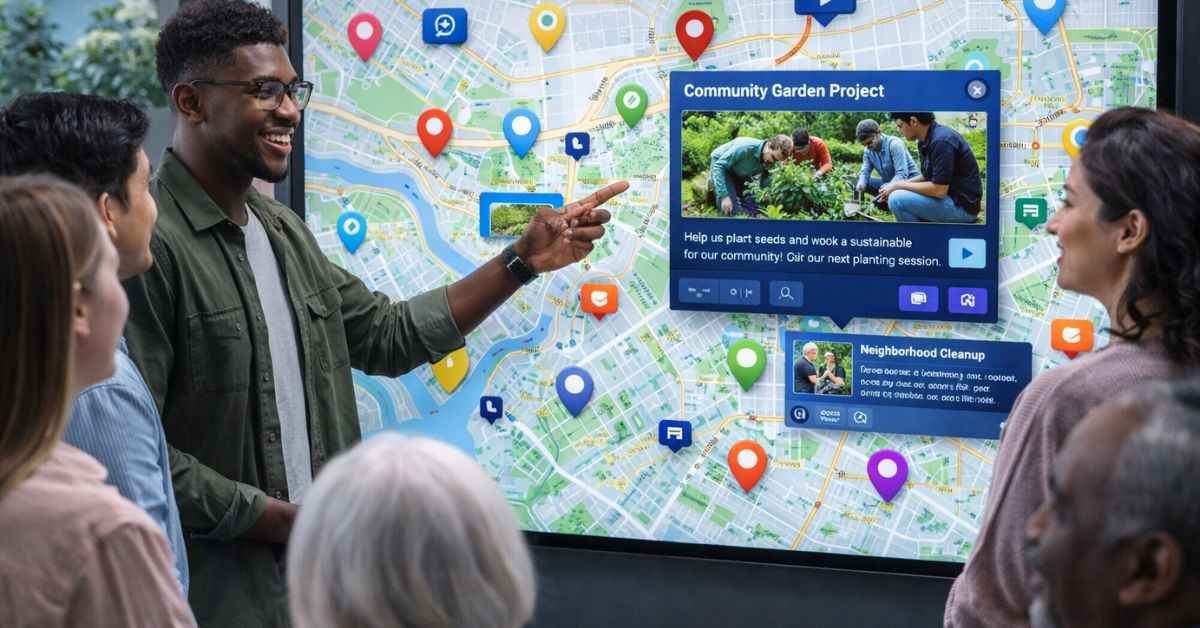
In an age where data shapes decisions and digital platforms influence communities, Apeoplesmap.org services stand out as a powerful tool for grassroots storytelling, participatory mapping, and civic engagement. Unlike traditional maps that focus on geography alone, people-powered digital maps highlight lived experiences, local knowledge, and underrepresented narratives.
Whether you’re an educator, community organizer, nonprofit leader, researcher, or engaged citizen, Apeoplesmap.org services offer interactive mapping tools that turn stories into visual, accessible knowledge. From documenting neighborhood histories to mapping social justice issues, these services help communities reclaim space digitally and socially.
In this comprehensive guide, you’ll explore the core features of Apeoplesmap.org services, community mapping tools, storytelling integration, educational applications, and how collaborative digital mapping is reshaping local engagement worldwide. By the end, you’ll understand how to leverage people-centered mapping to create impact, build trust, and empower communities.
What Are Apeoplesmap.org Services?
At its core, Apeoplesmap.org services provide an interactive, community-driven mapping platform designed to amplify local voices. Unlike conventional GIS systems focused purely on spatial data, this platform blends mapping technology with storytelling and civic participation.
Key Features
- Interactive, user-generated digital maps
- Community story submissions with multimedia support
- Location-based storytelling integration
- Open-access mapping tools for public engagement
- Educational-friendly design and interface
- Focus on social equity and representation
Why It Matters
Traditional maps often reflect institutional power structures. People-powered mapping shifts that power to communities by allowing residents to
- Document overlooked histories
- Highlight environmental justice concerns
- Share cultural landmarks
- Report social challenges and community assets
This democratization of mapping technology fosters transparency, inclusivity, and collective knowledge-building.
By bridging digital tools with civic storytelling, Apeoplesmap.org services promote local engagement and participatory democracy, two crucial elements in modern community development.
Core Community Mapping Tools Explained
The strength of Apeoplesmap.org services lies in its accessible mapping toolkit. These tools empower users to contribute, edit, and collaborate without requiring advanced GIS skills.
Core tools include
- Interactive Map Builder – Drag-and-drop functionality for adding pins and layers
- Layer Customization – Organize themes such as history, environment, education, or activism
- Collaborative Editing – Multiple contributors can update maps
- Tagging & Categorization – Enhances discoverability
- Geo-tagged Media Uploads – Add images, audio, and video
Benefits for Communities
- Simplifies complex geographic data
- Encourages local participation
- Enhances visual storytelling
- Improves transparency in community planning
Compared to traditional GIS platforms that require technical expertise, Apeoplesmap.org services focus on usability and accessibility. This makes it particularly effective for grassroots organizations and educational institutions.
Storytelling Integration: Turning Data into Human Narratives
Mapping is powerful but mapping with stories is transformative. Apeoplesmap.org services integrate narrative tools that humanize data.
Storytelling Capabilities
- First-person testimonials linked to specific locations
- Historical archives connected to geographic coordinates
- Audio storytelling for oral histories
- Photo essays tied to community landmarks
Why Storytelling Matters
- Builds emotional connection
- Preserves cultural memory
- Amplifies marginalized voices
- Creates deeper public awareness
For example, instead of simply marking a location as an “industrial pollution site,” a community member can attach
- A personal account of health impacts
- Photos documenting environmental changes
- Local news coverage links
This layered storytelling approach enhances civic literacy and makes advocacy more compelling.
Educational Use Cases in Schools and Universities
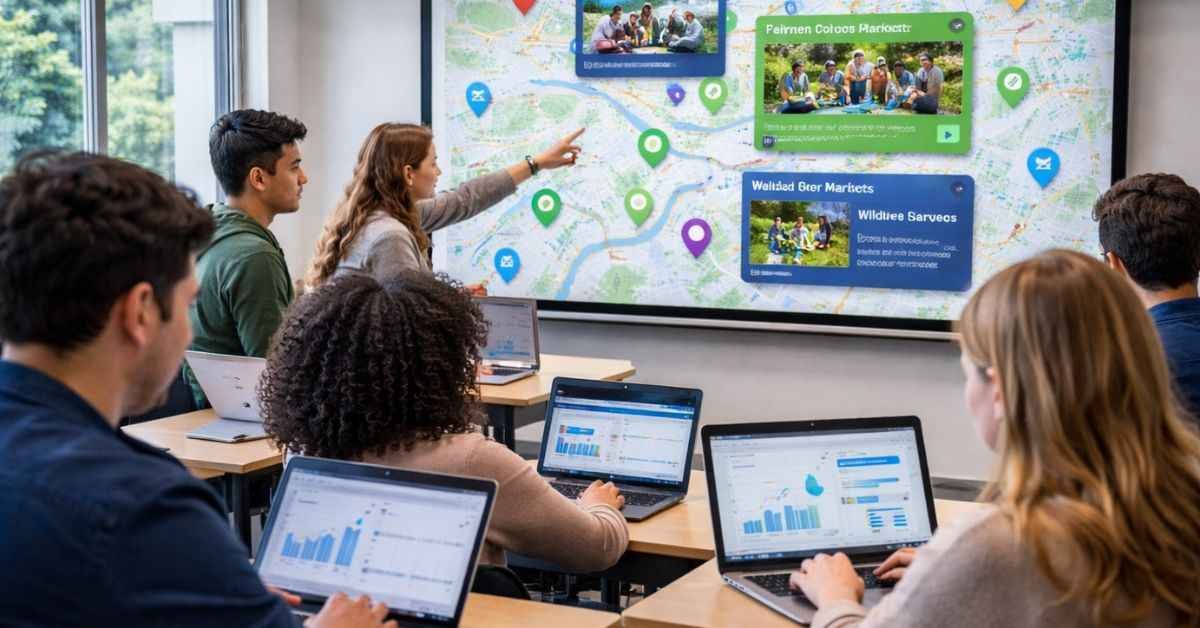
Educators increasingly use apeoplesmap.org services to foster experiential learning. The platform supports project-based assignments, civic education, and digital literacy.
Classroom Applications
- Local history mapping projects
- Environmental justice research
- Urban planning simulations
- Community asset mapping
- Cultural heritage documentation
Educational Benefits
- Encourages critical thinking
- Builds research and digital skills
- Promotes collaboration
- Strengthens local awareness
University Urban Studies Program
| Element | Traditional Assignment | Using Apeoplesmap.org Services |
| Research Output | Written report | Interactive public map |
| Engagement | Instructor-only review | Community-wide visibility |
| Learning Outcome | Theoretical understanding | Practical civic engagement |
Students reported higher engagement when their work contributed to a public-facing digital map rather than a static paper.
Civic Engagement and Participatory Democracy
Community mapping fosters civic participation by making public issues visible and accessible.
How It Enhances Civic Engagement:
- Highlights local challenges
- Supports grassroots advocacy
- Encourages policy transparency
- Creates shared community dialogue
Real-World Example
In a neighborhood redevelopment initiative, residents used community mapping to:
- Identify unsafe pedestrian zones
- Document historic buildings at risk
- Propose green spaces
City officials later referenced this map in public consultations, demonstrating the platform’s potential policy influence.
People-powered digital maps shift civic participation from reactive protests to proactive collaboration.
Comparing Apeoplesmap.org Services with Traditional GIS Platforms
Understanding the difference between conventional GIS systems and community-based platforms helps clarify its value.
| Feature | Traditional GIS | Apeoplesmap.org Services |
| Accessibility | Technical expertise required | Beginner-friendly |
| Cost | Often expensive | More accessible |
| Community Input | Limited | Central feature |
| Storytelling | Minimal | Integrated |
| Focus | Data analysis | Community narratives |
While GIS excels at technical analysis, Apeoplesmap.org services excel at community storytelling and public engagement.
Enhancing Local Engagement Through Digital Collaboration
Digital collaboration tools make participation seamless.
Engagement Features
- Public submission forms
- Comment and feedback systems
- Social sharing integration
- Mobile-friendly interface
These features allow the following:
- Youth participation
- Cross-generational dialogue
- Inclusion of remote contributors
Communities can collectively document:
- Local businesses
- Social service resources
- Cultural festivals
- Environmental hazards
The result is a living, evolving map shaped by its users.
Equity, Inclusion, and Representation in Mapping
Traditional maps have historically excluded marginalized communities. Apeoplesmap.org services actively address this imbalance.
Inclusion Strategies
- Open submission access
- Focus on underrepresented narratives
- Multilingual capabilities
- Community moderation
By centering lived experiences, the platform:
- Challenges dominant narratives
- Encourages representation
- Promotes social equity
Organizations such as the National Geographic Society emphasize participatory mapping as a tool for social justice, reinforcing the broader credibility of this approach.
Practical Steps to Get Started
If you’re considering using Apeoplesmap.org services, here’s how to begin:
Step-by-Step Guide
- Define your mapping goal.
- Identify target contributors
- Select categories and themes
- Train participants (if needed)
- Launch and promote your map
- Encourage ongoing contributions
Tips for Success
- Keep submission guidelines clear
- Encourage multimedia storytelling
- Promote via social media
- Collaborate with local organizations
Starting small with a single neighborhood or issue can lead to significant impact over time.
The Future of People-Powered Digital Mapping
As digital participation grows, community-based mapping will likely expand.
Emerging Trends
- Integration with open data systems
- AI-assisted tagging and categorization
- Increased mobile-first development
- Stronger integration with civic tech platforms
According to reports from organizations like the Open Knowledge Foundation, participatory digital tools are shaping the future of open governance.
Apeoplesmap.org services represent part of this larger movement bridging geography, storytelling, and civic technology.
FAQs
What are Apeoplesmap.org services?
They are community-driven digital mapping tools that allow users to create interactive maps with stories, photos, and local insights.
Who can use Apeoplesmap.org services?
Educators, students, nonprofits, community organizers, researchers, and local residents can all use the platform.
Do I need technical skills to create a map?
No. The platform is designed to be user-friendly and does not require advanced GIS knowledge.
How is it useful for education?
It supports project-based learning, local history research, civic engagement projects, and digital storytelling assignments.
How do people-powered maps improve local engagement?
They give communities a voice, highlight local issues, and encourage collaboration and participation in civic matters.
Conclusion
In today’s digital landscape, maps are more than navigation tools, they are instruments of representation and empowerment. Apeoplesmap.org services combine community mapping tools, storytelling integration, and educational use cases to transform how people engage with their local environments.
By democratizing digital mapping, the platform enables communities to share lived experiences, influence policy discussions, and preserve cultural memory. Whether you’re an educator designing a civic learning project, a nonprofit advocating for change, or a resident documenting local history, people-powered digital maps provide a dynamic, accessible solution.
As participatory technology continues to evolve, platforms like Apeoplesmap.org are leading the way in reshaping local engagement. Explore its tools, collaborate with your community, and start mapping the stories that matter.