

Introduction
When building or renovating a home, insulation is one of the most important decisions you will make. Good insulation keeps your home warm in winter, cool in summer, and comfortable all year. Today, many homeowners are choosing wollmatten as a natural and eco-friendly insulation option.
Wollmatten are insulation mats made from sheep’s wool. They are used in walls, roofs, and floors to improve energy efficiency and indoor comfort. Unlike synthetic insulation materials, wool matting is renewable, breathable, and safe to handle. They also help control moisture and reduce noise.
In this guide, you will learn everything you need to know about wollmatten—how they work, their benefits, where to use them, and how they compare to other insulation materials. The goal is to give you clear, simple, and useful information so you can make the best choice for your home improvement project.
What are Wollmatten?
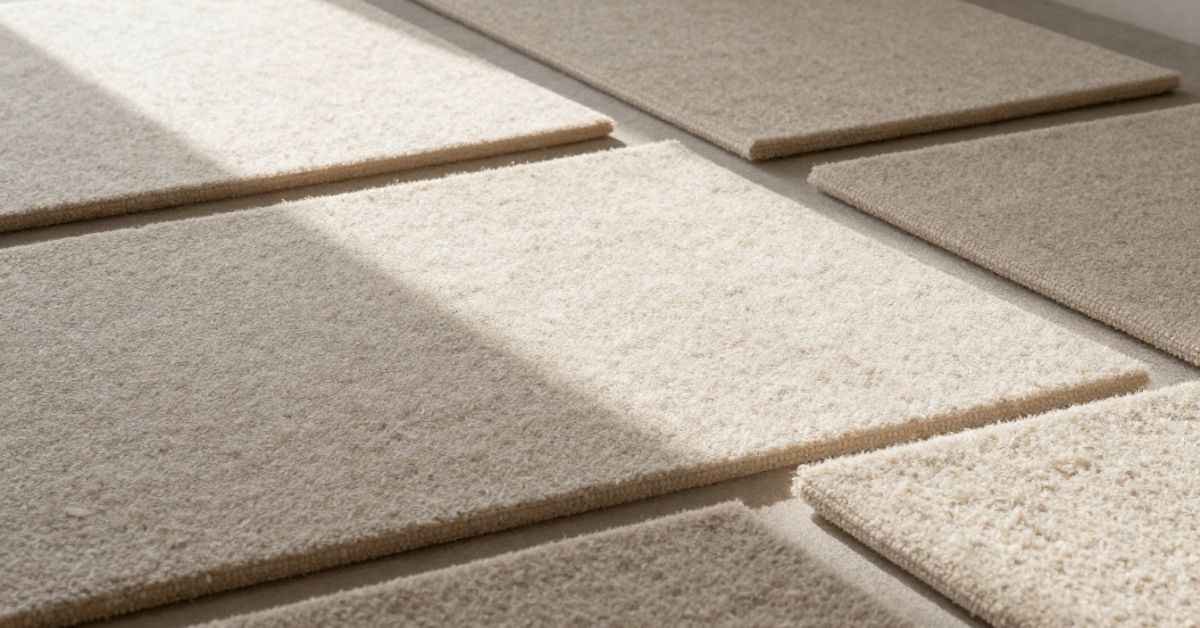
Wollmatten are thick, flexible insulation mats made from processed sheep’s wool. The wool fibers are cleaned, treated for safety, and pressed into batts or rolls. These mats are then placed inside walls, ceilings, or floors.
The structure of wool matting is unique. There are small air pockets in every fiber of wool. These air pockets trap heat and slow down heat transfer. This is how wool matting keeps your home warm during cold months and cooler during hot months.
Most products are treated with natural mineral salts. This treatment protects against pests and improves fire resistance. Because of this, wool mittens are safe and durable for long-term use.
How Wollmatten Improves Thermal Insulation
The main purpose of wool matting is to provide thermal insulation. Insulation works by reducing heat flow between the inside and outside of a home.
Woolmatten has a thermal conductivity value between 0.035 and 0.040 W/mK. This makes them competitive with many common insulation materials.
Thermal Performance Comparison
| Insulation Material | Thermal Conductivity (W/mK) | Breathable | Natural Material |
| Wollmatten | 0.035–0.040 | Yes | Yes |
| Fiberglass | 0.032–0.040 | Moderate | No |
| Spray Foam | 0.020–0.028 | No | No |
| Cellulose | 0.038–0.040 | Yes | Recycled |
Although spray foam has slightly better insulation numbers, wool matting offers a strong balance between insulation and breathability. Because wollmatten are breathable, they help prevent trapped moisture inside walls.
For most residential buildings, wool matting provides more than enough thermal performance while also improving indoor comfort.
Moisture Control and Humidity Balance
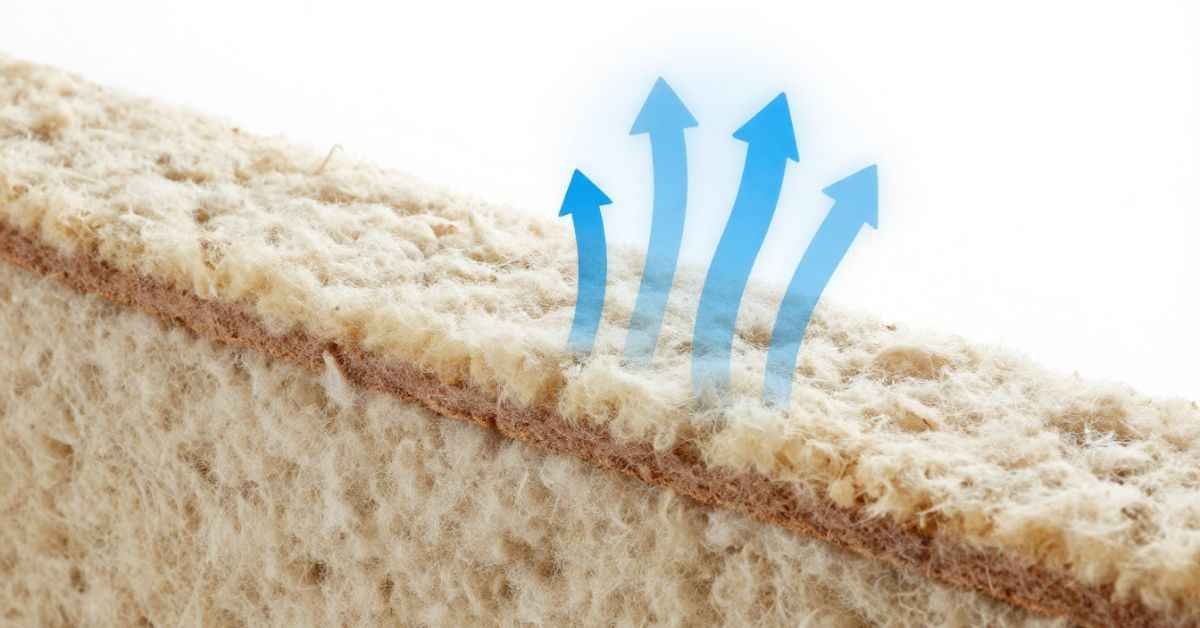
One of the biggest advantages of wool is moisture control. Wool fibers can soak up as much water as 30% of their own weight without getting wet. This makes wool matting very effective in regulating humidity.
When indoor air becomes humid, wool matting absorbs extra moisture. When the air becomes dry, they release it back. This natural process helps maintain a healthy indoor humidity level.
Benefits of moisture control with Wollmatten:
- Reduced risk of mold
- Less condensation inside walls
- Better indoor air quality
- Increased comfort
Unlike plastic-based insulation, wool matting does not trap water inside the structure. This makes them ideal for timber-frame homes and breathable wall systems.
Sound Insulation and Acoustic Comfort
Wollmatten are not only good for temperature control—they also reduce noise. The dense wool fibers absorb sound waves and reduce echo.
This makes woolmatten useful in the following:
- Bedrooms
- Home offices
- Apartments
- Multi-story houses
- Music rooms
Homes insulated with wollmatten often feel quieter and more peaceful. If you live in a busy neighborhood, it can help block outside noise and improve relaxation inside your home.
Fire Safety of Wollmatten
Many people worry about fire safety when using natural materials. However, wool matting is naturally flame resistant.
Wool has a high ignition temperature of around 560–600°C. It does not melt or drip when exposed to fire. Instead, it forms a protective char layer and can self-extinguish.
Most wool matting products are treated to meet modern building fire standards. This makes them safe for residential and commercial construction.
Environmental Benefits of Wollmatten
Sustainability is one of the strongest reasons to choose Wollmatten. Sheep produce new wool every year, making it a renewable resource. At the end of its life, wool insulation is biodegradable.
Wood materials also have lower embodied carbon compared to many synthetic materials. This means less pollution is created during manufacturing.
Environmental advantages of woolmatten:
- Renewable raw material
- Biodegradable
- Low environmental impact
- Supports sustainable farming
Choosing wollmatten helps reduce reliance on petroleum-based products.
Installation of Wollmatten
Installing wool matting is simple and safe. They are soft and flexible, making them easy to cut and fit between wall studs or roof beams.
Unlike fiberglass, wool matting does not cause skin irritation. Installers do not need heavy protective clothing. There are no harmful microfibers released during installation.
Steps for installing Wollmatten:
- Measure the cavity space.
- Cut the mat slightly larger than the space.
- Fit snugly between framing.
- Ensure proper ventilation layers.
Because wollmatten are flexible, they create fewer gaps and reduce thermal bridging.
Lifespan and Durability
Wollmatten are long-lasting when properly installed. In dry and protected conditions, they can last over 50 years.
They resist mold naturally because wool can regulate moisture. Treated woolmatten also resists pests such as insects.
To ensure durability:
- Keep insulation protected from heavy leaks.
- Use breathable building membranes.
- Maintain roof and wall systems properly.
With good maintenance, woolmatten remains stable and effective for decades.
Cost Comparison and Value
Cost is always important in home improvement projects. Wollmatten are usually more expensive than fiberglass but comparable to mineral wool.
Average Installation Cost (2026)
| Material | Cost per m² (Installed) | Lifespan | Eco-Friendly |
| Wollmatten | $18–$30 | 50+ years | Yes |
| Fiberglass | $10–$18 | 30–40 years | No |
| Spray Foam | $25–$40 | 40+ years | No |
Although wool matting may cost more at the start, they offer long-term value through energy savings and durability.
Homeowners choosing Woollmatten often value comfort, health, and sustainability over the lowest upfront price.
Where Wollmatten Can Be Used
Wollmatten are very versatile. They’re useful in many parts of the house:
- Exterior walls
- Roof insulation
- Attic spaces
- Floor insulation
- Interior partition walls
- Basement ceilings
Because wool mattens are breathable, they are ideal for wooden structures and eco-homes.
Modern architects use woolmatten in sustainable housing projects where natural materials are preferred.
Are Wollmatten Right for Your Home?
Wollmatten are a great choice if you:
- Want a natural insulation material
- Care about indoor air quality
- Need moisture control
- Want sound reduction
- Prefer eco-friendly building solutions
However, if you are working with a very tight budget, cheaper options like fiberglass may seem more attractive.
Before choosing wool matting, talk to a local insulation expert. They can recommend the correct thickness and installation method for your climate.
FAQs
Are wool mittens safe for children and pets?
Yes, wool matting is natural and does not release harmful fibers.
Do wollmatten attract insects?
No, treated wool matting resists pests.
Can wollmatten get wet?
They can absorb moisture but should not stay soaked for long periods.
How long do wool mittens last?
Wollmatten can last more than 50 years with proper installation.
Are wool mittens good for cold climates?
Yes, wool and cotton provide strong insulation for cold regions.
Conclusion
Wool matting is a natural, effective, and sustainable insulation solution for modern homes. They provide strong thermal performance, excellent sound control, and natural moisture regulation. Because woolmatten is renewable and biodegradable, it is a smart choice for environmentally conscious homeowners.
While wollmatten may cost more upfront than some synthetic options, their durability, comfort, and eco-friendly benefits make them a valuable long-term investment.
If you are planning a renovation or building a new home, consider using wollmatten as part of your insulation strategy. Talk to a professional installer and explore how Wollmatten can improve your home’s comfort and efficiency.