

Introduction
Owning a home comes with endless maintenance tasks. From leaky faucets to cracked walls, something always needs attention. The good news? You don’t need thousands of dollars to keep your house in great shape.
Many homeowners think repairs require expensive professionals for every small problem. This simply isn’t true. With the right knowledge and basic tools, you can handle most common issues yourself. Budget home fixes have become incredibly popular in 2026 as families look for ways to save money.
This guide walks you through practical, affordable solutions for everyday household problems. You’ll learn which repairs to tackle yourself and when to call an expert. We’ll also share money-saving tips that contractors don’t always tell you.
Whether you’re a first-time homeowner or have lived in your house for decades, these strategies will help you maintain your property without breaking the bank. Let’s dive into simple, effective ways to keep your home beautiful and functional.
Why DIY Repairs Make Financial Sense in 2026
The cost of hiring professionals has risen significantly over the past few years. According to HomeAdvisor’s 2026 Cost Guide, average handyman rates now range from $60 to $125 per hour. For simple tasks that take just 30 minutes, you might pay $100 or more including service fees.
Learning basic repair skills saves you money in multiple ways. First, you eliminate labor costs entirely. Second, you can shop for materials yourself and find better deals. Third, you gain knowledge that helps prevent future problems.
| Repair Type | Professional Cost | DIY Cost | You Save |
|---|---|---|---|
| Leaky Faucet | $150-$250 | $15-$30 | $120-$220 |
| Drywall Patch | $100-$200 | $10-$25 | $90-$175 |
| Clogged Drain | $125-$175 | $5-$15 | $110-$160 |
| Running Toilet | $150-$300 | $20-$40 | $130-$260 |
| Door Hinge Fix | $75-$125 | $5-$10 | $70-$115 |
Essential Tools Every Homeowner Should Own
Before starting any repair project, you need the right equipment. Building a basic toolkit costs less than one professional service call. These tools will serve you for years across countless projects.
Start with a quality screwdriver set that includes both flathead and Phillips heads. Add an adjustable wrench, pliers, and a hammer. A cordless drill makes many jobs faster and easier. Don’t forget a tape measure, level, and utility knife.
Your Starter Tool Kit Should Include:
- Screwdriver set with multiple sizes
- Adjustable wrench and pliers
- Claw hammer for general use
- Cordless drill with basic bit set
- Tape measure at least 25 feet long
- Spirit level for hanging items straight
- Utility knife with extra blades
- Flashlight or headlamp
- Safety glasses and work gloves
Fixing Common Plumbing Problems Yourself
Plumbing issues cause panic for many homeowners. However, most common problems have simple solutions that anyone can learn. Understanding your home’s water system helps you respond quickly to minor emergencies.
A running toilet wastes up to 200 gallons of water daily. Usually, the fix involves replacing a worn flapper valve. This rubber piece costs about $5 at any hardware store. Turn off the water supply, remove the old flapper, and snap the new one in place. The entire process takes less than 15 minutes.
Clogged drains respond well to natural solutions before you try harsh chemicals. Pour half a cup of baking soda down the drain, followed by half a cup of white vinegar. Wait 30 minutes, then flush with hot water. This method works for minor clogs and prevents buildup when used monthly.
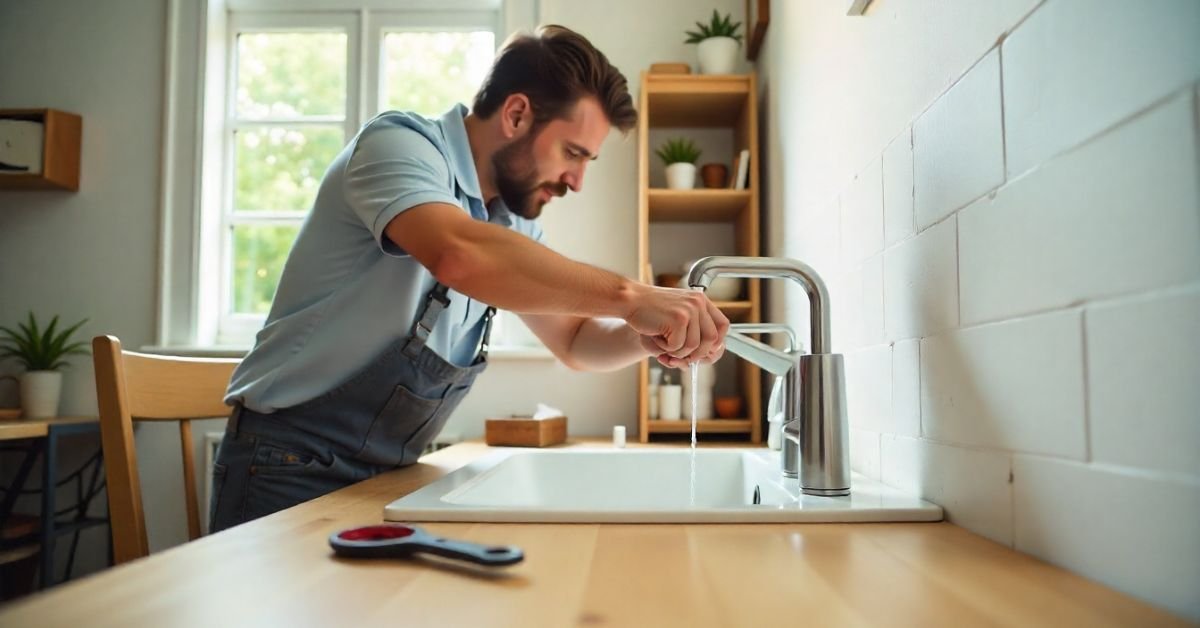
Dripping faucets usually need new washers or cartridges. Watch a quick tutorial video for your specific faucet brand. Most repairs require only an adjustable wrench and 20 minutes of patience. The satisfaction of stopping that annoying drip yourself feels amazing.
Wall Repairs and Painting on a Tight Budget
Walls take abuse over time. Holes from nails, dents from furniture, and cracks from settling all make your home look worn. Fortunately, wall repairs rank among the easiest budget home fixes for beginners.
Small nail holes disappear with lightweight spackling compound. Apply a tiny amount with your finger, let it dry, and sand smooth. For larger holes up to 3 inches, use a self-adhesive mesh patch covered with joint compound. Apply thin layers, letting each dry completely before adding the next.
| Hole Size | Best Fix Method | Skill Level | Time Needed |
|---|---|---|---|
| Nail holes | Spackling paste | Beginner | 5 minutes |
| Up to 1 inch | Spackling compound | Beginner | 15 minutes |
| 1-3 inches | Mesh patch kit | Beginner | 30 minutes |
| 3-6 inches | Drywall patch | Intermediate | 1-2 hours |
| Larger holes | Full drywall piece | Advanced | 2-4 hours |
Painting transforms any room dramatically. Buy quality paint even when saving money elsewhere. Cheap paint requires more coats and doesn’t last as long. One gallon of good paint covers about 400 square feet and costs $30 to $50. That’s enough for most average-sized rooms.
Quick Fixes for Doors and Windows
Doors and windows affect both comfort and energy efficiency. Squeaky hinges, sticky locks, and drafty frames create daily frustration. These problems also waste heating and cooling energy throughout the year.
Squeaky door hinges need simple lubrication. Remove the hinge pin, apply a thin coat of petroleum jelly or WD-40, and replace. The squeak disappears instantly. For doors that stick, check if the hinges have loosened. Tighten the screws or use longer screws for a stronger hold in worn holes.
Drafty windows benefit from weatherstripping. Self-adhesive foam strips cost just a few dollars and install in minutes. Press the strip firmly along the window frame where gaps appear. This simple upgrade can reduce heating and cooling costs by 10 to 15 percent.
Flooring Maintenance and Minor Repairs
Floors endure constant foot traffic and show wear quickly. Regular maintenance extends their life significantly. Learning simple repair techniques saves money on professional refinishing or replacement.
Hardwood floor scratches often buff out with a walnut. Seriously! Rub a raw walnut meat over minor scratches. The natural oils darken and disguise the damage. For deeper scratches, wood filler sticks in matching colors cost about $5 and blend damage invisibly.
Squeaky floors usually mean loose boards rubbing against each other. Locate the squeak by walking slowly and listening carefully. Drive a thin nail or screw through the subfloor into the joist below. This pulls the loose board tight and silences the noise.
Vinyl and laminate flooring develops bubbles or loose edges over time. Use a heat gun or hair dryer to soften the adhesive underneath. Press firmly and weight down while cooling. For torn sections, replacement planks click in easily on floating floor systems.
Electrical Safety and Simple Upgrades
Electrical work requires caution and respect for safety rules. Some tasks remain strictly for licensed electricians. However, several simple upgrades fall within safe DIY territory when done correctly.
Always turn off power at the breaker box before touching any electrical component. Use a voltage tester to confirm power is off. Never skip this step, even for quick jobs. Electricity demands respect and careful attention.
Safe DIY Electrical Projects:
- Replacing light switch covers and outlet plates
- Changing standard outlets to USB-enabled versions
- Swapping old light fixtures for new ones
- Installing dimmer switches
- Adding motion sensor outdoor lights
Upgrading to LED bulbs throughout your home saves electricity immediately. LED bulbs use 75% less energy than traditional incandescent lights. They also last 25 times longer. Replacing every bulb in your house might cost $30 to $50 but saves over $100 yearly on electric bills.
Seasonal Maintenance That Prevents Costly Repairs
Prevention beats repair every time. Regular seasonal maintenance catches small problems before they become expensive disasters. Creating a simple schedule keeps your home in top condition year-round.
Spring brings perfect weather for exterior inspection. Check your roof for missing or damaged shingles. Clean gutters and ensure downspouts direct water away from your foundation. Test outdoor faucets for leaks after winter freezing.
Summer maintenance focuses on cooling systems and outdoor spaces. Replace air conditioner filters monthly during heavy use. Inspect deck boards for rot or loose nails. Touch up exterior paint to protect wood from moisture damage.
Fall preparation prevents winter emergencies. Seal gaps around windows and doors with caulk. Drain and store garden hoses before freezing temperatures arrive. Schedule furnace inspection if you haven’t done so recently.
When to Call a Professional Instead
Knowing your limits protects both safety and your wallet. Some repairs require professional training, specialized tools, or permits. Attempting these jobs yourself can cause injury, property damage, or code violations.
Always Hire Professionals For:
- Gas line work of any kind
- Main electrical panel upgrades
- Structural modifications
- Roof replacement
- Major plumbing like sewer lines
- Asbestos or lead paint removal
- HVAC system installation
Get multiple quotes before hiring any contractor. Three estimates help you understand fair pricing in your area. Check licenses, insurance, and online reviews. Ask for references from recent similar projects.
Building Skills Through Free Learning Resources
YouTube has revolutionized home repair education. Thousands of detailed tutorials cover every possible project. Watch several videos about your specific repair before starting. Different perspectives help you understand the process completely.
Your local home improvement store offers free weekend workshops. These hands-on sessions teach practical skills with expert guidance. Staff members also answer questions about your specific projects while shopping.
Libraries carry excellent home repair books and magazines. The Family Handyman and This Old House publish comprehensive guides for beginners. Checking out these resources costs nothing and provides reliable, tested information.
Online forums connect you with experienced DIYers who answer questions freely. Reddit communities like r/HomeImprovement and r/DIY offer quick advice from helpful members. Describe your problem with photos for the best responses.
FAQs
What are the easiest repairs for complete beginners?
Replacing cabinet hardware, fixing squeaky hinges, patching small wall holes, and unclogging drains are perfect starter projects requiring minimal skills.
How much can I realistically save doing repairs myself?
Most homeowners save $1,000 to $3,000 annually by handling basic maintenance and simple repairs independently.
Which tools should I buy first when starting out?
A cordless drill, screwdriver set, adjustable wrench, hammer, and tape measure handle most common household projects.
How do I know if a repair is too advanced for DIY?
If it involves gas lines, structural changes, main electrical panels, or requires permits, hire a licensed professional.
Where can I find reliable repair instructions?
YouTube tutorials, manufacturer websites, library books, and home improvement store workshops all provide trustworthy guidance.
Conclusion
Maintaining your home doesn’t require a huge bank account. With basic tools, quality information, and willingness to learn, you can handle most common repairs yourself. The money you save adds up quickly throughout each year.
Start with simple projects to build confidence. Each successful repair teaches skills for the next challenge. Before long, you’ll tackle problems that once seemed impossible without professional help.
Remember that some jobs truly need expert attention. Knowing when to call for help protects your safety and prevents costly mistakes. Balance DIY enthusiasm with realistic assessment of each situation.
Take action today. Choose one small project from this guide and complete it this weekend. That first success starts your journey toward confident, capable homeownership. Your wallet and your home will thank you.