

Introduction
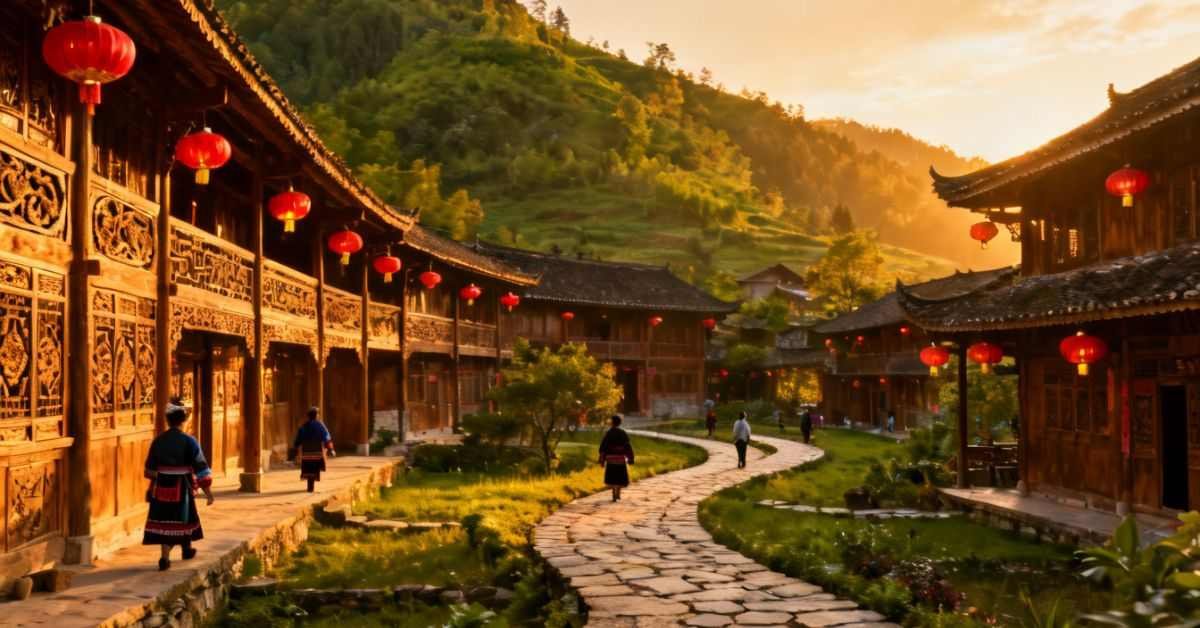
As global travel evolves in 2026, one clear trend stands out: people are seeking depth over distraction. Travelers want authenticity, sustainability, and meaningful connection not overcrowded attractions and staged performances. Anheihe emerges as a rare destination that answers this call.
Tucked away from mainstream tourism routes, it is a living cultural landscape shaped by centuries of tradition, artisanal craftsmanship, seasonal rituals, and community-centered living. It is not a place that has adapted itself for tourism; rather, it invites visitors to respectfully enter its existing rhythm.
For culture seekers and mindful travelers, it offers something increasingly rare: heritage that is still practiced, architecture that still houses families, festivals that still carry spiritual meaning, and a lifestyle that values connection over speed.
This in-depth guide explores Anheihe’s history, architecture, culinary heritage, artisan culture, environmental harmony, and responsible travel practices providing a complete roadmap for discovering one of 2026’s most meaningful cultural destinations.
The Historical Foundations of Anheihe
Anheihe’s story is one of continuity. Unlike rapidly urbanized regions, it has preserved its cultural backbone through strong intergenerational ties and respect for ancestral knowledge.
Historically, Anheihe developed through:
- Agricultural settlements centered around fertile land
- Small-scale trade connecting neighboring communities
- Oral storytelling traditions preserving local history
- Community leadership that prioritized heritage protection
Rather than replacing old structures during modernization, residents chose preservation. Many homes and communal buildings remain structurally and culturally intact.
Key historical highlights
- Ancestral halls used for gatherings and ceremonies
- Traditional markets operating on long-standing schedules
- Spiritual spaces reflecting continuity of belief
This layered history gives Anheihe depth. Visitors are not simply touring relics; they are experiencing a community that has consciously maintained its identity.
In a world where heritage sites are often reconstructed replicas, it stands apart as an authentic living archive.
Architecture That Reflects Cultural Values
Architecture in Anheihe is more than design, it is philosophy built in wood and stone. Homes reflect principles of harmony, sustainability, and communal life.
Common architectural characteristics
- Courtyard-centered layouts encouraging interaction
- Locally sourced wood, stone, and clay materials
- Decorative carvings symbolizing prosperity and unity
- Passive ventilation adapted to local climate
Unlike modern urban buildings focused on efficiency and privacy, traditional homes in Anheihe prioritize shared space and environmental adaptation.
| Feature | Anheihe Traditional Homes | Modern Urban Buildings |
| Building Materials | Natural & local | Industrial |
| Design Focus | Community-oriented | Individual privacy |
| Climate Adaptation | Passive cooling/heating | Mechanical systems |
| Cultural Symbolism | Strong decorative motifs | Minimal |
Walking through Anheihe reveals:
- Open courtyards hosting shared meals
- Seasonal decorations tied to agricultural cycles
- Workshops integrated into homes
The architecture sustains social cohesion and ecological balance, two pillars of Anheihe’s cultural identity.
Festivals: Living Rituals of Community
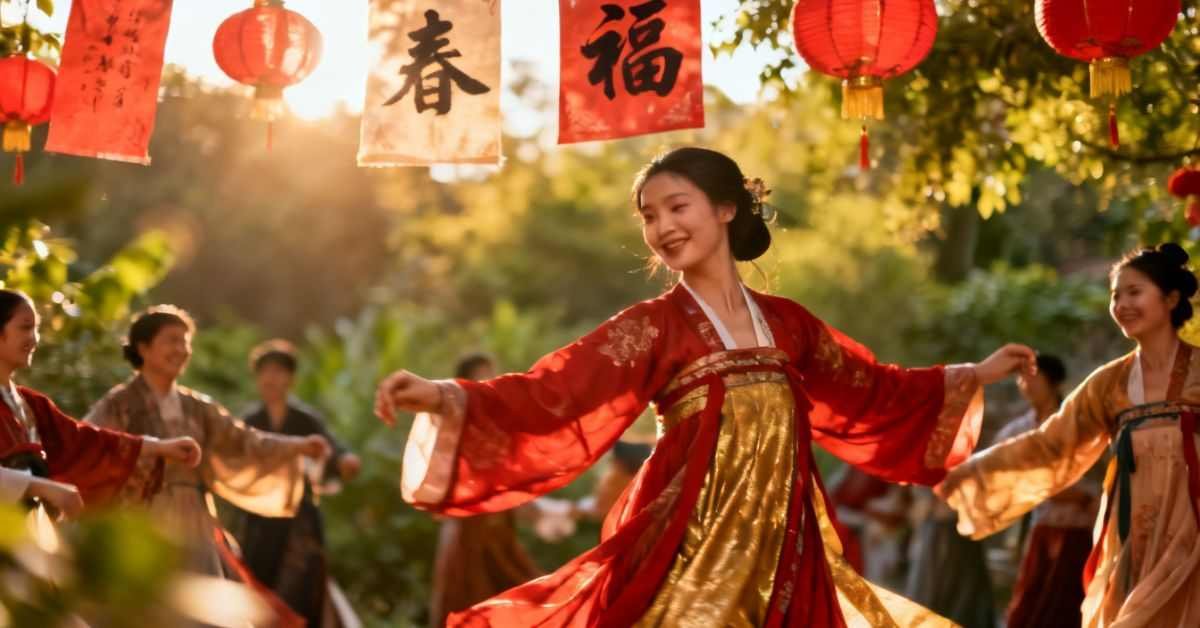
Festivals in Anheihe are not tourist spectacles, they are essential expressions of collective identity. Each celebration reflects agricultural rhythms and ancestral reverence.
Major cultural events typically
- Harvest thanksgiving ceremonies
- Ancestral remembrance gatherings
- Folk music and dance performances
- Community-prepared feasts
What makes these festivals unique is participation. Every generation contributes, from elders guiding rituals to children learning traditional songs.
Visitors may observe
- Handmade decorations crafted collectively
- Symbolic offerings expressing gratitude
- Ritual dances honoring natural cycles
Unlike commercial festivals in popular cities, Anheihe’s events retain spiritual integrity. Participation requires respect and cultural sensitivity.
For mindful travelers, attending a festival offers insight into how tradition sustains social harmony.
Culinary Heritage and Seasonal Wisdom
Food in Anheihe tells a story of land, climate, and cooperation. Meals are deeply tied to seasonal availability and collective preparation.
Core culinary principles include
- Farm-to-table sourcing
- Fermentation and preservation techniques
- Shared dining traditions
- Zero-waste practices
Typical experiences may involve:
- Slow-cooked dishes in clay pots
- Fresh vegetables harvested daily
- Handmade grains and preserved specialties
Food preparation often becomes a social event. Families gather, exchange stories, and teach younger generations through hands-on participation.
Travelers can:
- Visit local produce markets
- Join cooking workshops
- Participate in traditional tea rituals
Long before sustainability became a global trend, it practiced mindful consumption naturally. The cuisine reflects gratitude for resources and careful stewardship of the land.
Artisan Craftsmanship and Cultural Preservation
Anheihe’s artisans are guardians of intangible heritage. Their skills reflect patience, symbolism, and generational continuity.
Prominent crafts include
- Handwoven textiles
- Intricate wood carvings
- Traditional ceramics
- Embroidered storytelling motifs
In 2022, a community-led cooperative strengthened preservation by:
- Offering fair wages to artisans
- Creating workshops for visitors
- Encouraging youth apprenticeships
This initiative aligns with UNESCO’s Intangible Cultural Heritage framework, which emphasizes safeguarding living traditions.
Benefits of engaging with artisans include:
- Direct cultural exchange
- Ethical purchasing practices
- Preservation of traditional skills
Its crafts are hand-woven, carved, and sculpted cultural narratives rather than souvenirs.
The Philosophy of Slow Living
It embodies slow living, a lifestyle increasingly valued in 2026’s fast-paced digital era.
Daily life emphasizes
- Shared agricultural responsibilities
- Respect for elders and mentors
- Balanced work-rest rhythms
- Evening storytelling gatherings
Success is not measured by productivity alone but by relational depth and cultural continuity.
Visitors often experience
- Reduced stress
- Heightened mindfulness
- Genuine human connection
This lifestyle mirrors global wellness movements advocating intentional living. For those seeking a reset from urban intensity, it provides a restorative alternative.
Nature as Cultural Partner
Anheihe’s landscape shapes its traditions. Farmland, rivers, and forested hills are not separate from culture; they define it.
Environmental characteristics
- Fertile agricultural land
- Seasonal waterways
- Managed forest ecosystems
Traditional ecological practices involve:
- Crop rotation for soil health
- Water conservation systems
- Composting and low-waste farming
Nature influences festivals, food, and spiritual rituals. Rather than exploiting resources, the community practices balance.
Travelers may enjoy:
- Guided eco-cultural walks
- Seasonal planting participation
- Educational discussions on sustainability
It demonstrates how cultural heritage and environmental stewardship can coexist harmoniously.
Responsible Travel Practices
Preserving Anheihe’s authenticity requires mindful tourism. Visitors play an essential role in sustaining its cultural integrity.
Recommended practices include
- Staying in locally owned homestays
- Buying crafts directly from artisans
- Asking permission before photography
- Minimizing plastic and waste
- Learning basic cultural etiquette
| Responsible Action | Positive Community Impact |
| Staying in homestays | Direct local income |
| Buying handmade crafts | Sustains traditions |
| Attending workshops | Encourages youth skills |
| Practicing eco-travel | Protects environment |
Organizations like the UN World Tourism Organization advocate community-based tourism models similar to Anheihe’s approach.
Mindful engagement ensures that tourism enhances rather than disrupts local life.
Anheihe vs. Mainstream Cultural Destinations
Overtourism has diminished authenticity in many famous heritage towns. Anheihe offers a meaningful alternative.
Unlike mainstream destinations that often feature:
- High commercialization
- Scripted cultural performances
- Crowded attractions
Anheihe provides:
- Low visitor density
- Genuine community interaction
- Living, unscripted traditions
Travelers frequently appreciate:
- Meaningful conversations with residents
- Hands-on learning experiences
- Slower, more reflective exploration
Choosing reflects a shift from passive sightseeing to active cultural participation.
Why Anheihe Matters in 2026 and Beyond
Travel trends in 2026 prioritize:
- Sustainability
- Cultural preservation
- Authentic experiences
- Community empowerment
Anheihe naturally embodies these values. It represents a future of tourism rooted in respect and reciprocity.
Its global significance lies in:
- Preserving intangible traditions
- Demonstrating sustainable rural living
- Offering immersive educational experiences
As travelers become more conscious of their impact, destinations like Anheihe gain relevance not for luxury, but for integrity.
It reminds us that culture thrives when lived, shared, and protected.
FAQs
What makes Anheihe unique among cultural destinations?
Its living traditions, preserved architecture, artisan craftsmanship, and community-centered lifestyle distinguish it from commercialized heritage towns.
Is Anheihe suitable for solo or mindful travelers?
Yes. Its safe, welcoming environment and emphasis on meaningful connection make it ideal for solo cultural exploration.
Can visitors participate in local traditions?
Yes, respectfully. Many workshops and festivals welcome participation when guided by local customs.
What time of year is ideal for visiting Anheihe?
Spring and autumn offer comfortable weather, while harvest season provides vibrant cultural celebrations.
How can I ensure responsible travel in Anheihe?
Support local businesses, minimize waste, respect customs, and engage thoughtfully with residents.
Conclusion
Anheihe is more than a destination, it is a testament to cultural resilience and mindful living. In a rapidly changing world, it offers a grounded alternative rooted in history, craftsmanship, sustainability, and community.
From its courtyard homes and seasonal festivals to artisan workshops and farm-to-table cuisine, every aspect reflects authenticity. For culture seekers in 2026, it represents a powerful opportunity to travel with purpose.
By choosing responsible engagement and valuing genuine connection, visitors help preserve Anheihe’s legacy for future generations.