


Introduction
Education has changed greatly in recent years. In the past, many classrooms followed a simple method. Teachers explained lessons while students listened, took notes, and tried to memorize information. Most students studied mainly to pass exams.
This method helped students learn basic subjects, but it did not always help them understand ideas deeply. It also did not always develop important life skills such as teamwork, creativity, and problem-solving.
Today, the world is very different. Technology is growing quickly, and many jobs now require new skills. Students need to think creatively, communicate with others, and solve real-world problems. Because of these changes, educators are searching for better ways to teach and learn.
One modern approach that is becoming popular is Sosoactive Education. This method focuses on active learning and student participation. Instead of only listening, students ask questions, discuss ideas, and work on projects together.
In this article, we will explore what Sosoactive Education is, how it works, and why it is becoming important in modern classrooms.
What is Sosoactive Education?
Sosoactive Education is a learning approach where students actively take part in the learning process. Instead of only listening to teachers, students explore topics, ask questions, and share ideas with classmates.
In traditional classrooms, teachers usually speak most of the time. Students listen quietly and write notes. In Sosoactive Education, the classroom becomes more interactive and engaging.
Students may participate in:
- Group discussions
- Research activities
- Creative projects
- Classroom presentations
- Problem-solving tasks
This type of learning helps students become more curious and confident. They learn not only from teachers but also from their classmates and experiences.
Technology also supports this learning style. Teachers may use videos, online tools, and educational apps to make lessons more interesting. These tools can help students understand difficult topics more easily.
The main goal of Sosoactive Education is to help students gain knowledge, build skills, and develop confidence that they can use in everyday life.
Core Philosophy of Sosoactive Learning
The philosophy of Sosoactive Learning is based on a simple idea: students learn better when they are actively involved in learning.
Instead of only memorizing facts, students are encouraged to explore ideas, ask questions, and practice what they learn.
Active Participation
Students learn more when they take part in discussions, presentations, and group activities. These activities allow them to share ideas and learn from others.
Learning Through Experience
Students often remember lessons better when they practice them. Activities such as experiments, projects, and real-life examples help students understand concepts more clearly.
Independent Thinking
Sosoactive education encourages students to think for themselves. They learn how to research information, analyze ideas, and form their own opinions.
Collaboration
Working with classmates is an important part of this learning method. Group work helps students develop teamwork and communication skills.
Together, these ideas create a learning environment where students feel motivated, confident, and excited to learn.
Why Traditional Education Sometimes Feels Incomplete
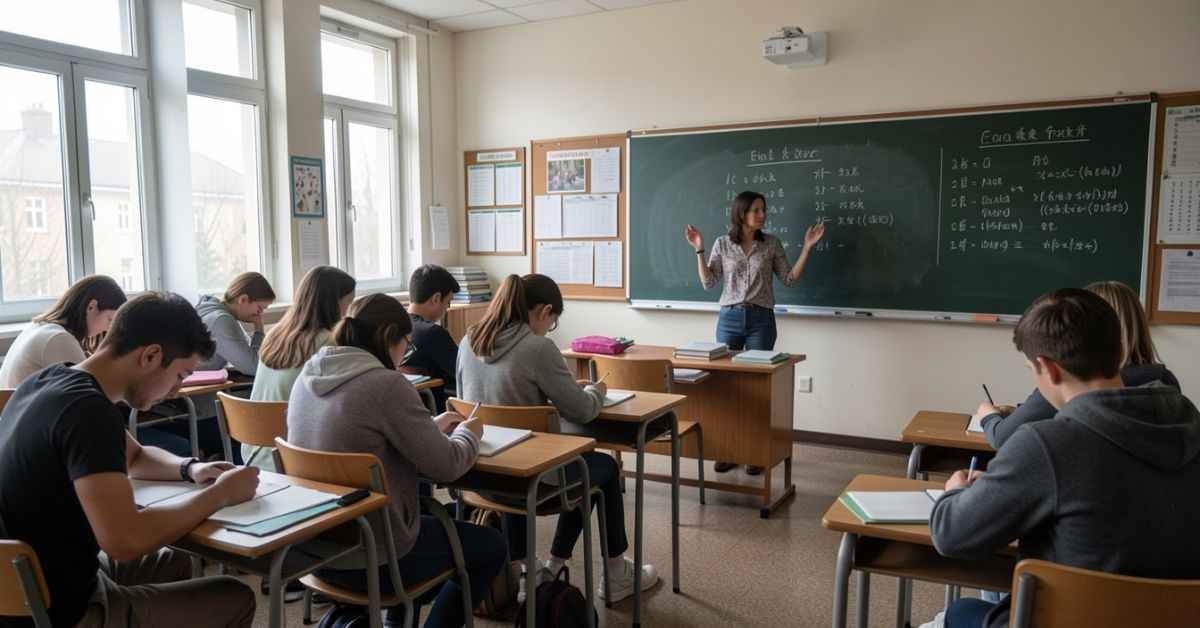
Traditional education has helped many students build strong academic knowledge. However, some experts believe that it does not fully meet the needs of modern learners.
One reason is the strong focus on memorization. Students often study information to pass exams and forget it later.
Another reason is the lack of student participation. In many classrooms, teachers speak most of the time while students listen. This can make learning less engaging.
Traditional education may also provide limited real-life practice. Students may understand ideas in textbooks but may not know how to apply them in real-life situations.
Another challenge is that students learn in different ways. Some students learn better through discussion, others through visual examples or hands-on activities. Traditional methods may not support all these learning styles.
Because of these challenges, many educators are exploring new learning approaches such as Sosoactive Education.
Traditional Education vs. Sosoactive Education
The following table shows the key differences between traditional learning and Sosoactive learning.
| Feature | Traditional Education | Sosoactive Education |
| Teaching Style | Teacher explains lessons | Interactive learning activities |
| Student Role | Mostly listening and memorizing | Active participation in learning |
| Teacher Role | Main source of information | Guide and learning supporter |
| Classroom Activities | Lectures and written exams | Projects, discussions, teamwork |
| Skills Focus | Academic knowledge | Practical and life skills |
This comparison shows that Sosoactive Education focuses more on active learning and skill development.
Student-Centered Learning
One of the main features of Sosoactive Education is student-centered learning.
In this approach, students become the main focus of the classroom. Instead of teachers controlling every part of the lesson, students take a more active role.
Active Participation
Students participate in discussions, presentations, and group activities. This helps them understand lessons more clearly.
Personalized Learning
Every student learns differently. Teachers may use different teaching methods to support different learning styles.
Teachers as Guides
Teachers guide students and support their learning instead of only giving lectures. They encourage students to ask questions and explore new ideas.
Development of Important Skills
Student-centered learning helps students develop important skills such as
- Critical thinking
- Communication
- Problem-solving
- Teamwork
- Confidence
These skills are important not only in school but also in future careers.
How Sosoactive Learning Works in Practice
Sosoactive Learning uses several teaching methods to make lessons more engaging and effective.
Problem-Based Learning
Teachers may begin a lesson with a real-life question or problem. Students work together to find possible solutions.
Project-Based Learning
Students may create projects, presentations, or research assignments. These activities help them apply what they learn.
Use of Technology
Technology helps students access information through videos, educational websites, and digital learning tools.
Group Collaboration
Students often work in groups to complete tasks. This allows them to learn from each other and build teamwork skills.
Reflection and Feedback
After completing activities, students think about what they learned and how they solved problems. Teachers provide feedback to help them improve.
Assessment may include projects, presentations, participation, and problem-solving tasks, not just written exams.
Benefits of Sosoactive Education
Sosoactive Education offers many benefits for students.
Better Understanding
Students understand concepts more clearly because they actively participate in learning.
Higher Motivation
Interactive lessons make learning more enjoyable and interesting.
Development of Life Skills
Students develop important life skills such as communication, leadership, and critical thinking.
Stronger Collaboration
Group activities help students learn how to cooperate with others and respect different opinions.
Real-Life Application
Students learn how to apply knowledge in real-life situations.
These benefits help students become confident, capable, and independent learners.
FAQs
What is Sosoactive? Education?
Sosoactive Education is a learning approach where students actively participate in lessons instead of only listening to teachers.
How does Sosoactive Education improve learning?
It encourages discussions, projects, and problem-solving activities that help students understand concepts better.
Who can benefit from Sosoactive Education?
Students, teachers, and schools can benefit because it makes learning more engaging and practical.
Is technology necessary for this learning method?
Technology can support learning, but the main focus is active participation and collaboration.
Why is Sosoactive Education important today?
Modern careers require creativity, teamwork, and critical thinking. Sosoactive Education helps students develop these skills.
Conclusion
Sosoactive Education is a modern learning approach that focuses on active participation, practical experience, and student engagement. Instead of only memorizing information, students explore ideas, work together, and apply knowledge in real-life situations.
This way of teaching makes things more interesting and important to learn. It also helps students develop important skills such as critical thinking, creativity, and teamwork.
As education continues to evolve in the digital age, approaches like Sosoactive Education can help create classrooms where students feel curious, confident, and ready to learn.
By encouraging active learning, this approach prepares students not only for exams but also for future challenges and lifelong learning.